


When it comes to your fireplace, safety is always a priority. But many homeowners don’t realize that it takes more than having your chimney cleaned out to keep it safe and ready for use. Issues like firebox and smoke chamber cracks are often brushed off because they appear insignificant, but this type of damage is rarely just surface-level imperfections. It often indicates underlying structural stress or deterioration that can compromise safety, efficiency, and the long-term integrity of your chimney system.
Understanding why firebox and smoke chamber repairs matter, how cracks develop, and what risks they pose is essential for homeowners who want to protect their property and enjoy their fireplace safely. This article from Chimney Sweeps of Sherwood Forest explores those issues in depth and explains why timely repairs are one of the most important investments you can make in your chimney.
Understanding the Firebox and Smoke Chamber
The Purpose of the Firebox
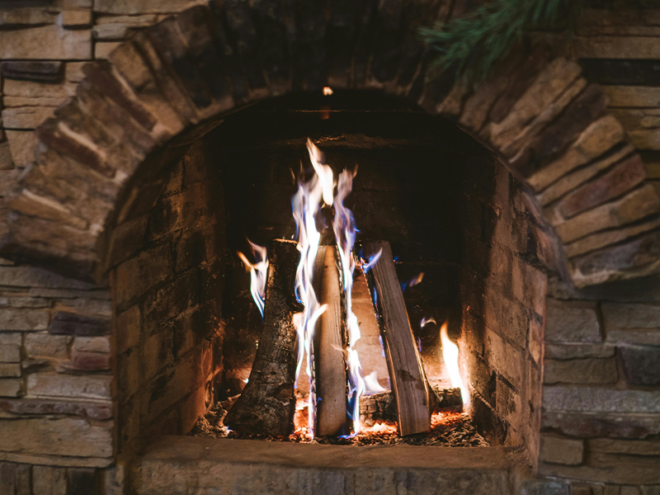
The firebox is the core of the fireplace system. It is the area where wood or other fuel burns and where temperatures reach their highest levels. Fireboxes are constructed using firebrick and refractory mortar, materials specifically engineered to withstand extreme heat and repeated use. Their primary role is to safely contain flames, embers, and heat while shielding the surrounding structure of your home from fire exposure.
When a firebox is in good condition, it functions as a reliable barrier, heat is reflected back into your living space, and combustion remains fully contained. Over time, however, even durable materials begin to show wear. Each fire causes expansion, and each cooling period causes contraction. This ongoing cycle places stress on brick and mortar joints, gradually increasing the likelihood of cracking.
The Role of the Smoke Chamber
Positioned directly above the firebox, the smoke chamber plays a critical but often misunderstood role. This section of your chimney system acts as a transition zone, guiding smoke and combustion gases from the firebox into the flue. Its sloped or tapered walls are designed to improve draft by creating a smooth pathway for exhaust to exit your home.
To enhance performance and safety, smoke chambers are typically coated with a parging material that smooths rough masonry surfaces and seals small gaps. When this coating deteriorates or cracks develop beneath it, airflow becomes disrupted. Even more concerning, heat and gases may escape into surrounding areas of your home, including wall cavities and attic spaces.
How Cracks Develop in Fireboxes and Smoke Chambers
Thermal Stress from Repeated Heating and Cooling
Thermal stress is the most common cause of cracks in fireplace systems. Every fire generates intense heat that causes masonry materials to expand. When the fire dies down, those materials cool and contract. Over years of regular use, this repeated expansion and contraction weakens mortar joints and firebrick, eventually leading to visible cracking.
Even fireplaces that are used correctly and maintained responsibly are not immune to this process. While proper burning habits and regular cleanings help slow deterioration, thermal stress is a natural result of using a wood-burning fireplace.
Moisture Intrusion and Its Effects
Water is one of the most damaging elements a chimney can face. Moisture can enter through a cracked chimney crown, damaged flashing, missing cap, or porous masonry. Once inside the chimney system, water accelerates the breakdown of mortar and brick, making them more vulnerable to cracking.
In colder climates, moisture creates an additional problem. When trapped water freezes, it expands, placing pressure on masonry materials. This freeze-thaw cycle can rapidly worsen existing cracks and create new ones, often in areas that are difficult to see without professional inspection.
Aging Chimneys and Outdated Construction Standards
Many homes contain fireplaces that were built decades ago, using materials and construction methods that no longer meet modern safety standards. Older smoke chambers, in particular, were often left unlined or inadequately parged. As these systems age, the likelihood of cracking and structural deterioration increases.
While an older chimney is not automatically unsafe, age does raise the probability that repairs will eventually be required. Regular inspections become especially important in these cases, as deterioration may progress without obvious symptoms until damage becomes severe.
Why Ignoring Cracks Can Be Dangerous
Increased Risk of Chimney and House Fires
One of the most serious consequences of ignoring firebox and smoke chamber cracks is an elevated risk of fire. Cracks allow heat, sparks, and embers to escape areas designed to contain them. Over time, surrounding masonry and nearby wood framing can become excessively dry and more prone to ignition.
Many chimney-related house fires begin within concealed spaces, such as walls or attic areas adjacent to the chimney. Because these fires often start out of sight, they can grow significantly before being detected. Addressing cracks early is one of the most effective ways to reduce this risk and protect your home.
Carbon Monoxide and Smoke Intrusion
Cracks in the smoke chamber can interfere with proper draft, allowing smoke and combustion gases to move in unintended directions. Carbon monoxide is particularly dangerous because it is colorless and odorless, making it difficult to detect without proper monitoring. Even small breaches in the smoke chamber can allow this gas to enter living spaces.
In less severe cases, you may notice visible smoke entering the room when a fire is burning. While this may seem like a nuisance rather than a serious hazard, it often signals a deeper problem within your chimney system that requires immediate attention.
Declining Fireplace Efficiency and Performance
Structural damage within the firebox or smoke chamber frequently leads to noticeable performance issues. Fires may become harder to start, smoke may linger longer than usual, or your fireplace may produce less heat overall. These problems are not simply inconveniences; they indicate that airflow and containment are no longer functioning as designed.
Reduced efficiency often leads homeowners to burn more wood to achieve the same level of warmth. This increases creosote buildup within the chimney, compounding existing problems and raising the risk of chimney fires.
Escalating Repair Costs Over Time
Delaying chimney repairs is a common attempt to avoid immediate expense, but it often results in higher costs later. Small cracks rarely remain static. Continued exposure to heat, moisture, and freeze-thaw cycles causes damage to spread and deepen.
What could have been resolved with targeted firebox repairs or smoke chamber parging can eventually require extensive rebuilding or full chimney relining. Early intervention keeps your repair options more flexible and significantly more affordable.
Warning Signs Homeowners Should Take Seriously
Visible cracking in firebrick or mortar joints inside the firebox is one of the clearest indicators that repairs are needed. Crumbling mortar, loose bricks, or gaps between masonry materials suggest that the structure is weakening and no longer providing adequate protection.
Other warning signs are less obvious but equally important. White staining on masonry surfaces, known as efflorescence, often indicates moisture intrusion that contributes to deterioration. Persistent smoke problems, unusual odors, or difficulty maintaining a steady fire may point to hidden damage in the smoke chamber.
Because much of the smoke chamber is not visible from the fireplace opening, professional inspections play a crucial role in identifying these issues before they become hazardous.
Firebox and Smoke Chamber Repair Options
Firebox Repair and Restoration
When it comes to firebox repair, it may involve replacing damaged firebrick, repairing deteriorated mortar joints, or applying refractory coatings designed to restore heat resistance. These materials are engineered to withstand extreme temperatures and protect surrounding structures from heat transfer.
In cases where damage is extensive, partial or full firebox rebuilding may be necessary. While this is a more involved process, it restores the firebox’s structural integrity and ensures safe operation for years to come.
Smoke Chamber Parging and Structural Repairs
Smoke chamber repairs often focus on parging, which smooths and seals the chamber walls using a specialized heat-resistant material. Proper parging improves draft, reduces creosote accumulation, and seals cracks that could allow heat or gases to escape into the home.
Before parging can be applied, damaged masonry may need to be reinforced. Addressing these structural issues first ensures that repairs are durable and effective rather than temporary fixes.
Chimney Relining When Appropriate
When cracking extends into the flue or compromises its integrity, chimney relining may be recommended. A new liner provides an additional layer of protection, improves draft, and ensures combustion byproducts are safely vented outdoors. Relining is often combined with firebox and smoke chamber repairs to create a comprehensive solution that restores the entire chimney system.
The Value of Professional Chimney Inspections
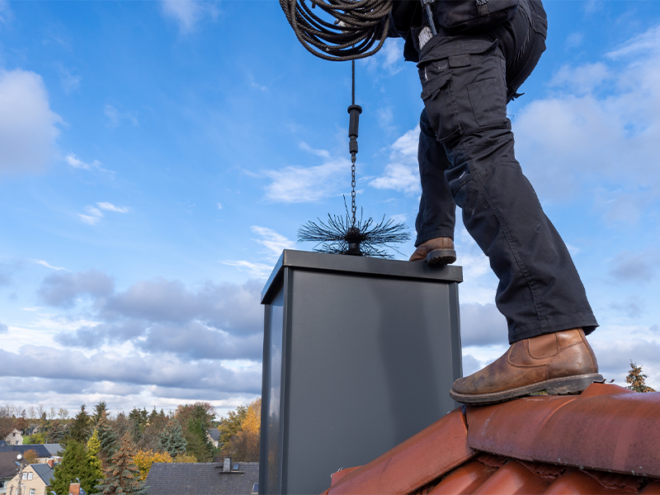
Many homeowners assume they will notice serious chimney problems on their own. In reality, some of the most dangerous damage occurs in areas that are difficult or unsafe to inspect without specialized tools. Annual chimney inspections allow trained professionals to evaluate the firebox, smoke chamber, and flue as a complete system.
Professional inspections focus not only on identifying existing damage but also on spotting early warning signs that could lead to future problems. Booking your chimney inspection with Chimney Sweeps of Sherwood Forest means you’ll get clear explanations and honest recommendations to help you make informed decisions about maintenance and repairs.
Long-Term Benefits of Timely Repairs
Promptly addressing firebox and smoke chamber cracks offers benefits that extend well beyond immediate safety. Proper repairs restore efficient airflow, improve heat output, and reduce the likelihood of smoke issues. They also extend the overall lifespan of your chimney system, protecting your investment.
Perhaps most importantly, timely repairs provide peace of mind. You can enjoy your fireplace knowing it has been professionally evaluated and restored to safe operating condition. This confidence is especially valuable during the colder months in Maryland, when fireplaces see their heaviest use.
Keep Your Chimney in
A fireplace system only performs as well as its most vulnerable components, and the firebox and smoke chamber play a critical role in that balance. When these areas are overlooked, problems tend to develop quietly, making routine evaluation and informed decision-making an essential part of responsible homeownership.
When you choose an experienced chimney professional, you ensure potential issues are addressed with clarity and care rather than assumptions. At Chimney Sweeps of Sherwood Forest, we approach these concerns with a focus on accuracy, proper materials, and repair methods that align with how modern chimney systems are meant to function.
If you have concerns about your firebox, smoke chamber, or any other part of your fireplace, or if it has been more than a year since your last inspection, contact Chimney Sweeps of Sherwood Forest today to schedule your chimney inspection.