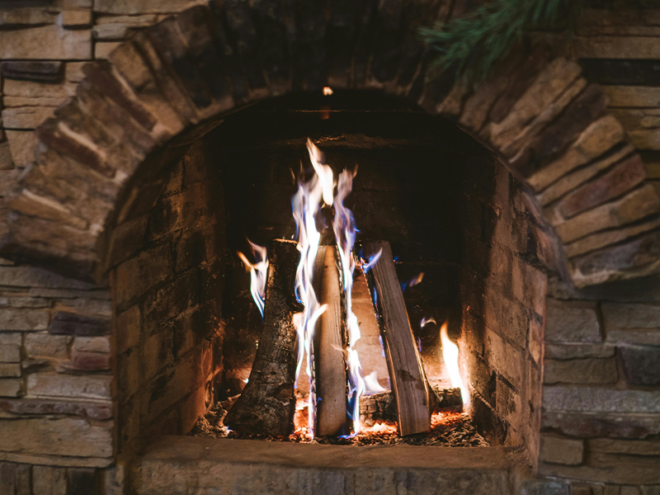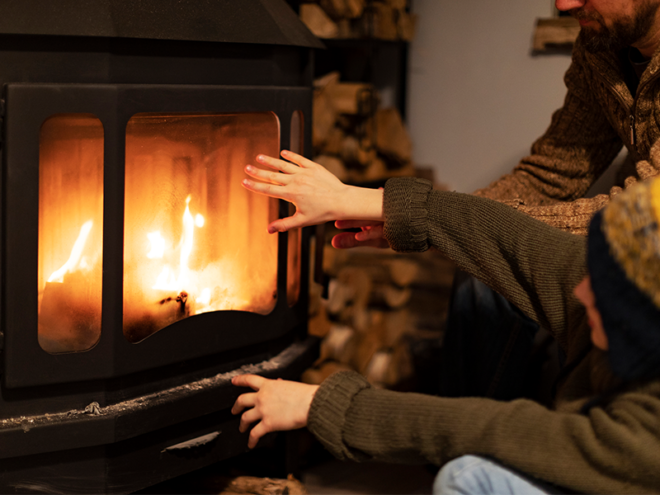


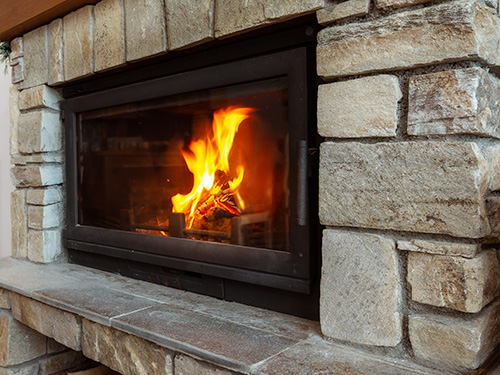
For many homeowners, a fireplace represents comfort and timeless charm. It is often the centerpiece of family gatherings and a source of relaxation during cold seasons. However, behind the inviting flames lies a serious responsibility that should never be overlooked: maintaining the safety and functionality of the chimney system.
Too many homeowners assume that if their fireplace looks ok to them, it must be safe to use. Others believe that occasional or light use means their chimney doesn’t require regular maintenance. Unfortunately, these misconceptions can put households at significant risk. Creosote buildup, obstructions, structural deterioration, and moisture infiltration are all fireplace issues that can develop silently inside a neglected chimney.
The best way to ensure that these concerns don’t escalate and cause hazardous conditions in your home is to have annual chimney inspections performed. Doing so allows any problems to be identified and addressed quickly and effectively. Chimney Sweeps of Sherwood Forest is committed to helping you and others understand the importance of these routine inspections. So let’s dive into the many hidden dangers that chimney inspections uncover and how they keep your family safe while saving you money.
Why Chimney Inspections Are Essential
A chimney’s primary role is to safely carry smoke, gases, and combustion by-products away from your home. Over time, however, your chimney’s flue can suffer from a buildup of substances like creosote or foreign obstructions that become lodged. Your chimney can also become compromised by structural deterioration that may not be easily caught.
These hidden issues can create life-threatening situations. This is why regular chimney inspections completed by professionals are nonnegotiable. During an inspection, problems are identified and appropriate solutions are determined. Having these inspections completed on an annual basis ensures that problems don’t have time to escalate into something more serious.
The Hidden Dangers of Neglected Chimneys
Neglecting chimney maintenance may not show immediate consequences, but the dangers that develop quietly over time are a risk you don’t want to take. The following sections explore the most common problems that arise in chimneys and the risks they pose to you and your home if left untreated.
Creosote Buildup
Every time you use your fireplace, small amounts of creosote are deposited inside the chimney flue. Creosote is a sticky, highly flammable byproduct of burning wood. Over time, it can harden into a thick, tar-like coating that clings to the walls of your chimney. Even a thin layer of buildup can significantly reduce airflow, making it harder for smoke and gases to exit your home properly.
When the buildup causes a significant airflow blockage, smoke and gases can be pushed back into your home. This can lead to the air in your home becoming unsafe. Breathing in these fumes can cause respiratory irritation and, in serious cases, carbon monoxide poisoning.
Creosote is also a leading cause of chimney fires, which can spread rapidly and cause significant damage to your home. A fire inside the flue can also go unnoticed until it’s too late. The flames are often contained within the chimney structure until they spread to your living areas.
Regular cleanings and inspections are the only reliable way to prevent this dangerous buildup. By staying on top of chimney maintenance, you do more than reduce the risk of fire. You also keep your fireplace running more efficiently and safely throughout the year.
Foreign Obstructions
While chimney caps are designed to keep unwanted debris and pests out, they don’t always provide full protection. Birds, squirrels, raccoons, and even insects are notorious for nesting inside chimneys. While leaves, branches, and windblown debris can also find their way in. When these obstructions accumulate, they create blockages that disrupt the natural airflow of your chimney.
Just like creosote buildup, these obstructions can cause smoke, carbon monoxide, and other toxic gases to back up into your living space, posing serious health risks to you and your family. In some cases, nesting materials and dried leaves can even serve as fuel, increasing the likelihood of a chimney fire. If animals become trapped and perish inside the flue, unpleasant odors may linger throughout your home as well.
Regular inspections allow professionals to spot any obstructions, remove them, and recommend additional protective measures like mesh screening or a sturdier chimney cap.
Moisture Infiltration
Water is one of the most destructive elements for chimneys. Without proper sealing and maintenance, rain, snow, and humidity can infiltrate the masonry or flue, leading to a host of problems. Moisture weakens mortar joints, causes bricks to crack or spall, and can even lead to rust forming on metal components like dampers and liners.
Once water damage begins, it tends to spread quickly, compromising both the structural integrity and efficiency of your chimney. Another concern is mold growth. Moisture creates the perfect environment for mold, which can then spread spores throughout your home, compromising indoor air quality.
Additionally, moisture that mixes with soot and creosote creates a highly corrosive substance that accelerates deterioration inside the flue. Preventive maintenance, such as waterproofing treatments and flashing repair, goes a long way in protecting your chimney from these moisture-related issues.
Structural Deterioration
Over time, the constant exposure to heat, moisture, and weather takes a toll on your chimney’s structure. Mortar begins to crumble, bricks can loosen or crack, and metal liners may corrode. Even small cracks can allow smoke, heat, and dangerous gases to seep into your home’s walls or attic, increasing the risk of fire and carbon monoxide poisoning. As the damage worsens, the chimney may start leaning or separating from your house, which can become a serious safety hazard.
Structural deterioration also reduces the chimney’s efficiency, making it harder for your fireplace to function properly. Left untreated, these issues can lead to expensive reconstruction or even complete chimney replacement. Regular inspections by a professional allow for early detection of structural problems, making chimney repairs more manageable and cost-effective. Reinforcing weak areas and replacing damaged components can restore your chimney’s safety and performance.
Protect Your Home with Preventive Care
As these risks show, chimney problems often develop quietly but can lead to costly, dangerous consequences if ignored. From fire hazards and toxic gases to water damage and structural failure, neglecting chimney maintenance simply isn’t worth the risk.
The good news is that most of these issues can be caught early—and even prevented—through routine inspections and professional maintenance. In the next section, we’ll walk you through what happens during a professional chimney inspection so you’ll know exactly how experts identify and address these hidden dangers.
What Happens During a Professional Chimney Inspection
When you schedule an inspection with Chimney Sweeps of Sherwood Forest, you can expect more than a glance at your fireplace. Our chimney sweeps conduct a thorough and systematic evaluation of your entire chimney system. This begins with the firebox and hearth, where we check for cracks, damage, or excessive wear.
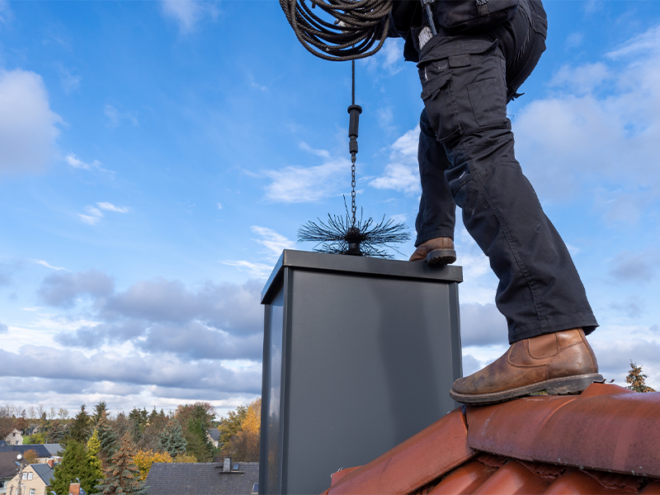
Next, attention turns to the flue and chimney lining, areas most susceptible to creosote buildup and hidden damage. Using specialized tools and, in some cases, high-definition cameras, we are able to assess even the most difficult-to-see sections of the chimney interior. We also examine the chimney cap, crown, and exterior masonry for signs of deterioration or moisture damage.
Unlike a visual check by homeowners, a professional inspection identifies subtle signs of wear, inefficiency, and potential hazards that would otherwise remain undetected. We pride ourselves on not only identifying these issues but also providing practical, transparent recommendations for next steps. Whether it is a simple cleaning, a small repair, or a more advanced restoration, our goal is to ensure your chimney remains safe and ready for use.
Safety and Cost Savings Go Hand in Hand
While safety is the most obvious reason to schedule annual chimney inspections, the financial advantages are equally significant. A routine inspection will identify even small issues like a crack in the flue that can be fixed at minimal cost. If that crack were to go undiscovered due to your chimney not being inspected, it would continue to grow into a bigger problem, requiring more expensive repairs. Situations like these demonstrate how preventive maintenance is always more affordable than emergency repairs.
Beyond repair costs, regular inspections also contribute to energy savings. A well-maintained chimney and fireplace system burns fuel more efficiently, producing more heat while consuming less wood or gas. This translates into lower heating expenses during the colder months.
In short, annual inspections offer a return on investment that goes beyond safety. They preserve the long-term health of your chimney, help avoid surprise expenses, and ensure your fireplace operates at maximum efficiency.
When Is the Best Time to Schedule a Chimney Inspection?
Homeowners often ask when they should schedule their annual chimney inspection. While inspections are valuable at any time of year, the best time to book is before the start of the heating season. Late summer and early fall are ideal because they ensure your chimney is safe and ready for use once temperatures drop.
This timing also allows you to address any issues discovered during the inspection without delaying your enjoyment of your fireplace. However, inspections should not be limited to pre-season preparation. If you notice unusual issues—such as smoke entering the room, strange odors when using the fireplace, or visible damage to the chimney exterior—it is wise to schedule an inspection immediately.
Even if you rarely use your fireplace, annual inspections remain necessary. Weather exposure and natural aging still impact the structure, meaning problems can develop regardless of usage. For households that rely heavily on their fireplaces, additional mid-season inspections may be recommended to ensure ongoing safety and performance.
Choosing a Trusted Chimney Professional
The effectiveness of a chimney inspection depends heavily on the expertise of the professional performing it. Not all chimney services offer the same level of training and thoroughness. Choosing a certified, experienced, and reputable provider is essential to ensure the safety of your home.
Our team here at Chimney Sweeps of Sherwood Forest brings years of experience and a strong commitment to excellence to every service we provide. Our technicians undergo professional training and adhere to the highest industry standards, ensuring inspections are both comprehensive and accurate.
Beyond technical skill, we prioritize customer education and transparency. We take the time to explain our findings, helping you understand the condition of your chimney and the importance of any recommended services. This open communication allows you to make informed decisions without confusion or pressure.
Working with a trusted chimney professional also provides peace of mind. You can feel confident knowing that your home is being cared for by experts who understand the complexities of chimney systems and who are dedicated to your family’s safety.
Keep Your Fireplace Running Safely
From detecting creosote buildup and spotting hidden cracks to identifying moisture damage and clearing obstructions, routine inspections address the full spectrum of risks that threaten chimney systems. By choosing Chimney Sweeps of Sherwood Forest, your chimney will be inspected with the utmost expertise and attention to detail. And the benefits of partnering with us don’t end at thorough inspections; we also perform cleanings and repairs, offering you full-service chimney care.
Our goal is to help you maintain a safe and efficient fireplace system while saving you money. If it has been more than a year since your last inspection, now is the perfect time to take action. Contact Chimney Sweeps of Sherwood Forest today to schedule your appointment and enjoy peace of mind knowing your fireplace is ready for the seasons ahead.